
Human-Powered Journeys Built on Endurance, Responsibility, and Long-Term Thinking.
My work is centered on expeditions that remove speed, convenience, and automation.
By relying on human power alone, walking, cycling, paddling, and climbing these journeys slow movement down to a human scale and make consequences visible: to the body, to the land, and to the people encountered along the way.
Each expedition operates under constraint. That constraint is not a limitation it is the framework.
LATEST UPDATES
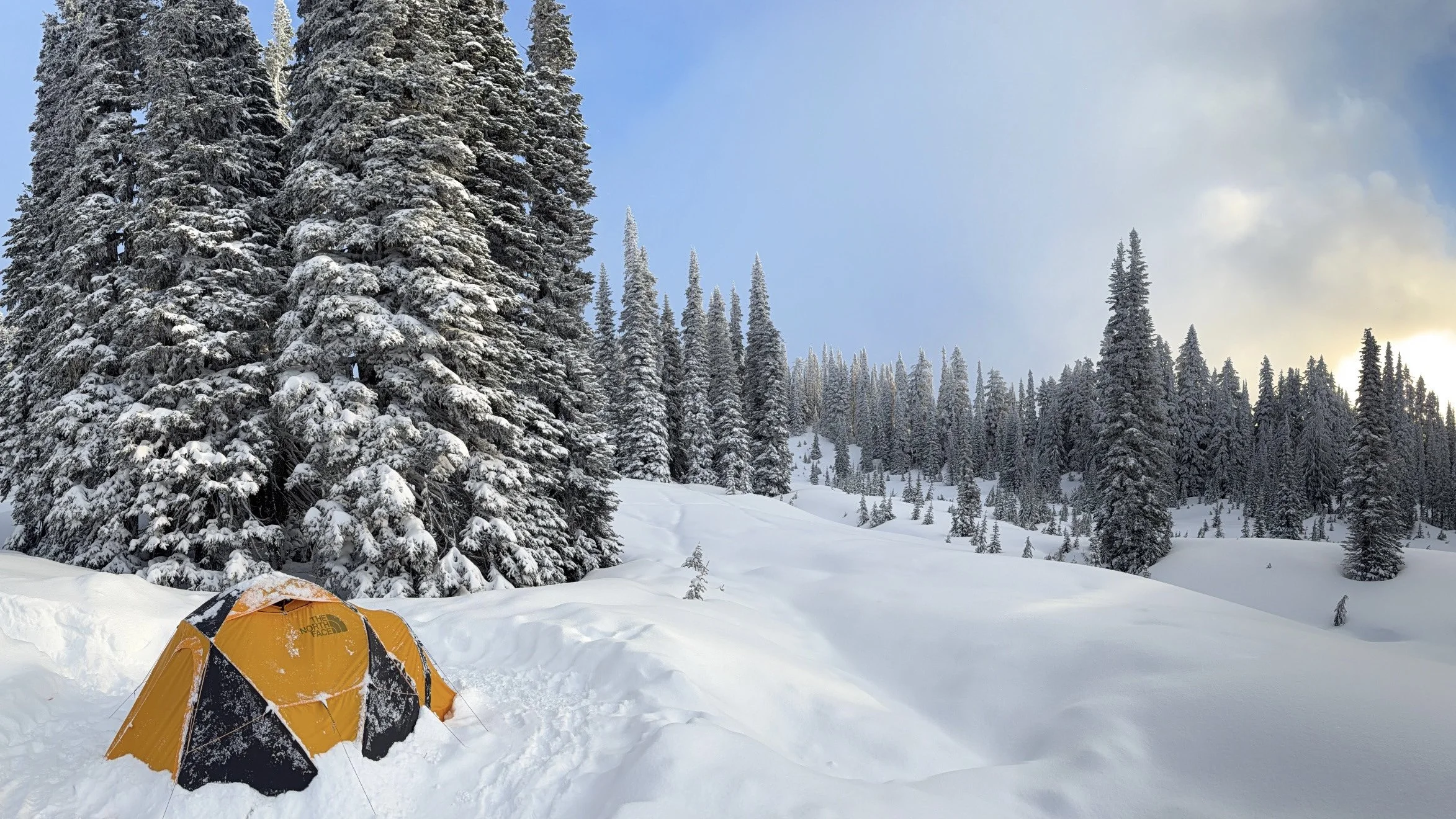
My training on Mount Rainier with Alpine Ascents marked an important step in advancing my mountaineering foundation. Working in a demanding alpine environment, I focused on essential systems including glacier travel, rope work, crevasse rescue, movement on snow, and risk management in complex terrain. The experience was not just about technical skill — it was about building the discipline, judgment, and resilience required for bigger mountains and longer human-powered expeditions ahead.
Major Expeditions
Beyond Human
By the Numbers: 40,000+ km projected (24,800+ miles) • 4+ years • 30+ countries
A Human-Powered Global Expedition (Beginning Summer 2026)
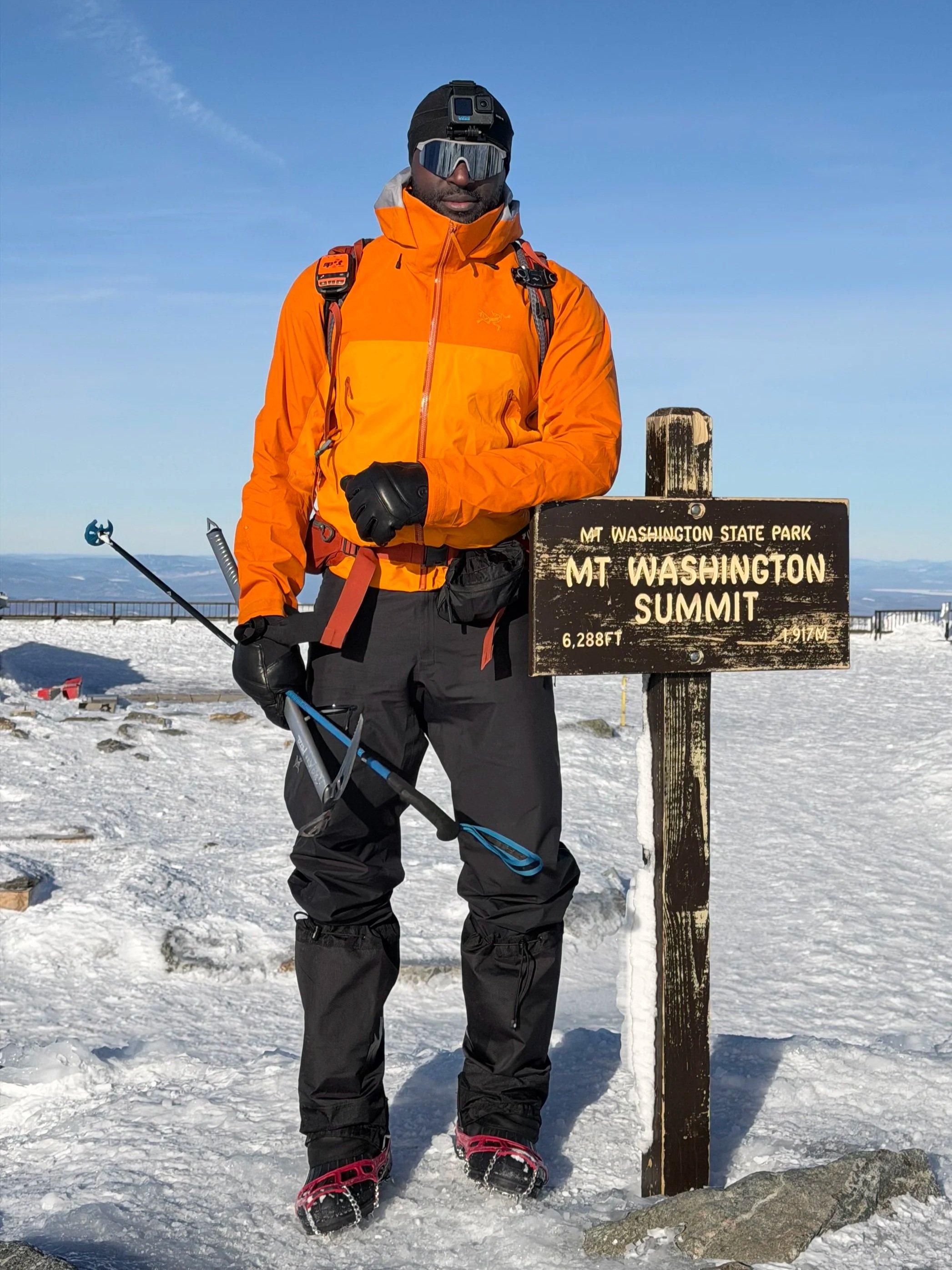
Beyond Human is a multi-year expedition designed to reach the world’s highest peaks using human-powered movement alone — relying on walking, cycling, paddling, sailing, and climbing to reach each objective.
By removing planes and fuel-powered transport, the project exposes the true scale of distance, preparation, and consequence required to move across the planet.
The expedition examines endurance over time, decision-making under constraint, and what responsibility looks like when there is no rapid exit.
This work begins in Summer 2026.
Multi-year, defining projects that anchor the body of work.
These expeditions represent long-term commitments that combine physical endurance, complex logistics, and sustained responsibility. They shape how all future work is designed, documented, and evaluated.
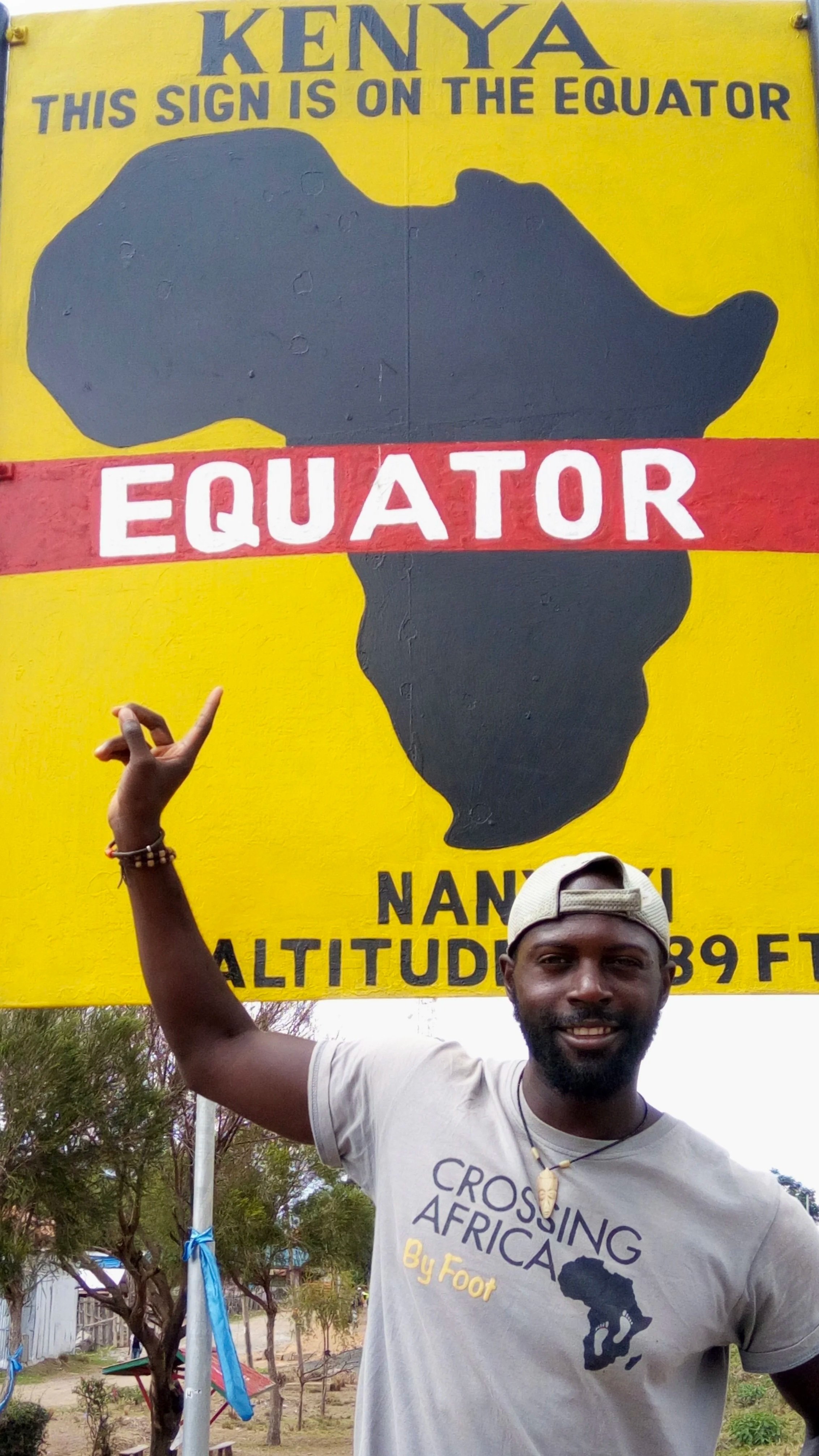
By the Numbers: 12,000+ km (7,500+ miles) • 859 days • 8 countries
On Foot Across the African Continent
Walking the length of Africa from south to north, this expedition crossed borders, climates, cultures, and conflict zones step by step.
Progress was dictated by the body, not schedules — requiring daily negotiation with heat, fatigue, logistics, and uncertainty.
The journey emphasized presence over performance, prioritizing human connection and lived experience rather than speed or spectacle.
This expedition became the foundation of my approach to human-powered exploration.
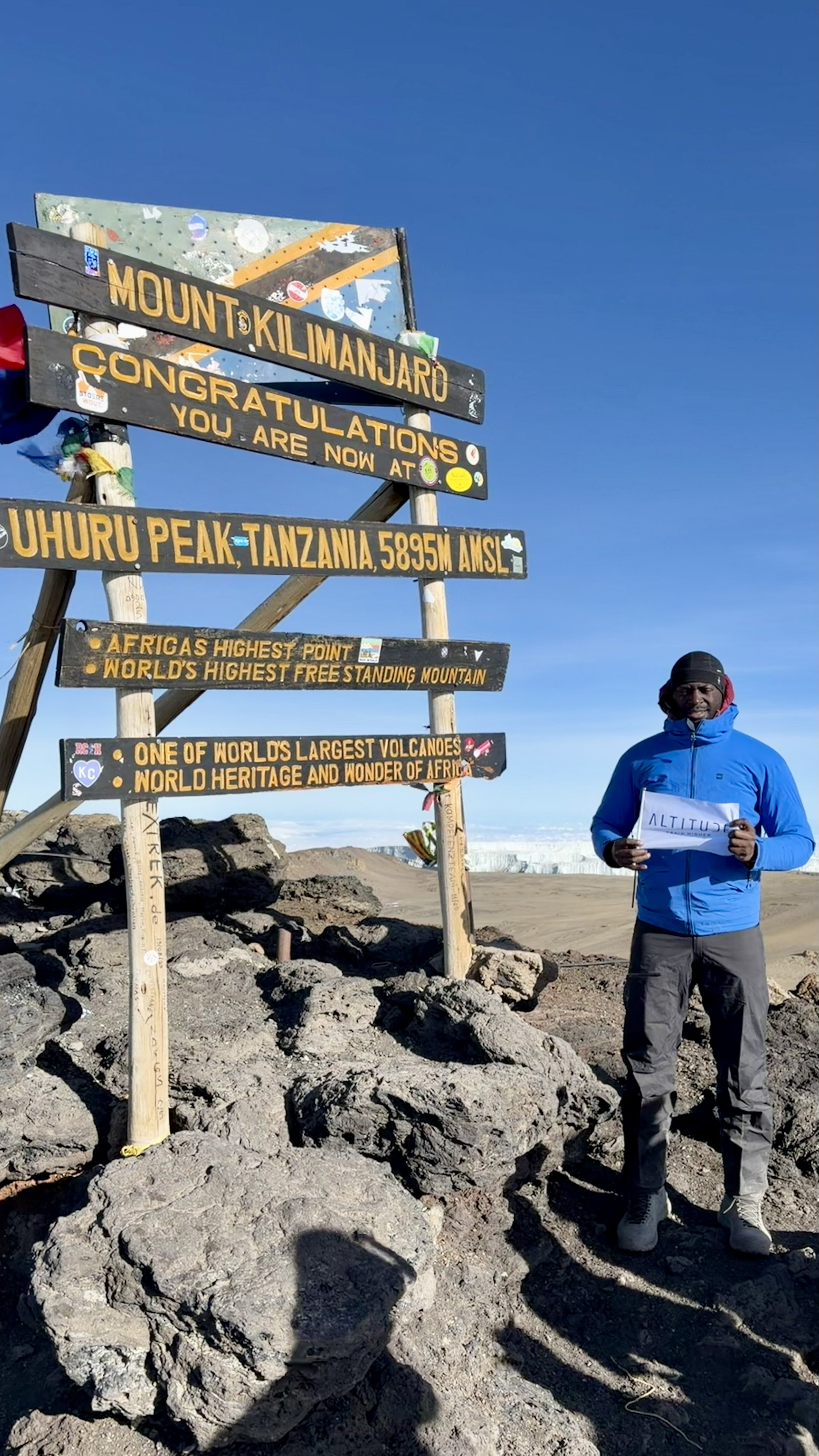
Mount Kilimanjaro
By the Numbers: ~70 km (43 miles) • 9 days • 1 country
Human-Powered Ascent & Community-Based Tourism
This expedition focused on ascending Mount Kilimanjaro through a sustainability-first lens — examining how human-powered travel intersects with local economies, porter welfare, and environmental responsibility.
Rather than treating the mountain as a summit objective alone, the journey emphasized preparation, pacing, and accountability to the systems and people that make high-altitude travel possible.
The climb reinforced a core belief: meaningful exploration must account for the human infrastructure it relies on.
Flagship Expeditions
Large-scale journeys with national or regional scope.
These expeditions involve extended duration, logistical complexity, and public engagement, while remaining grounded in human-powered movement and lived experience.
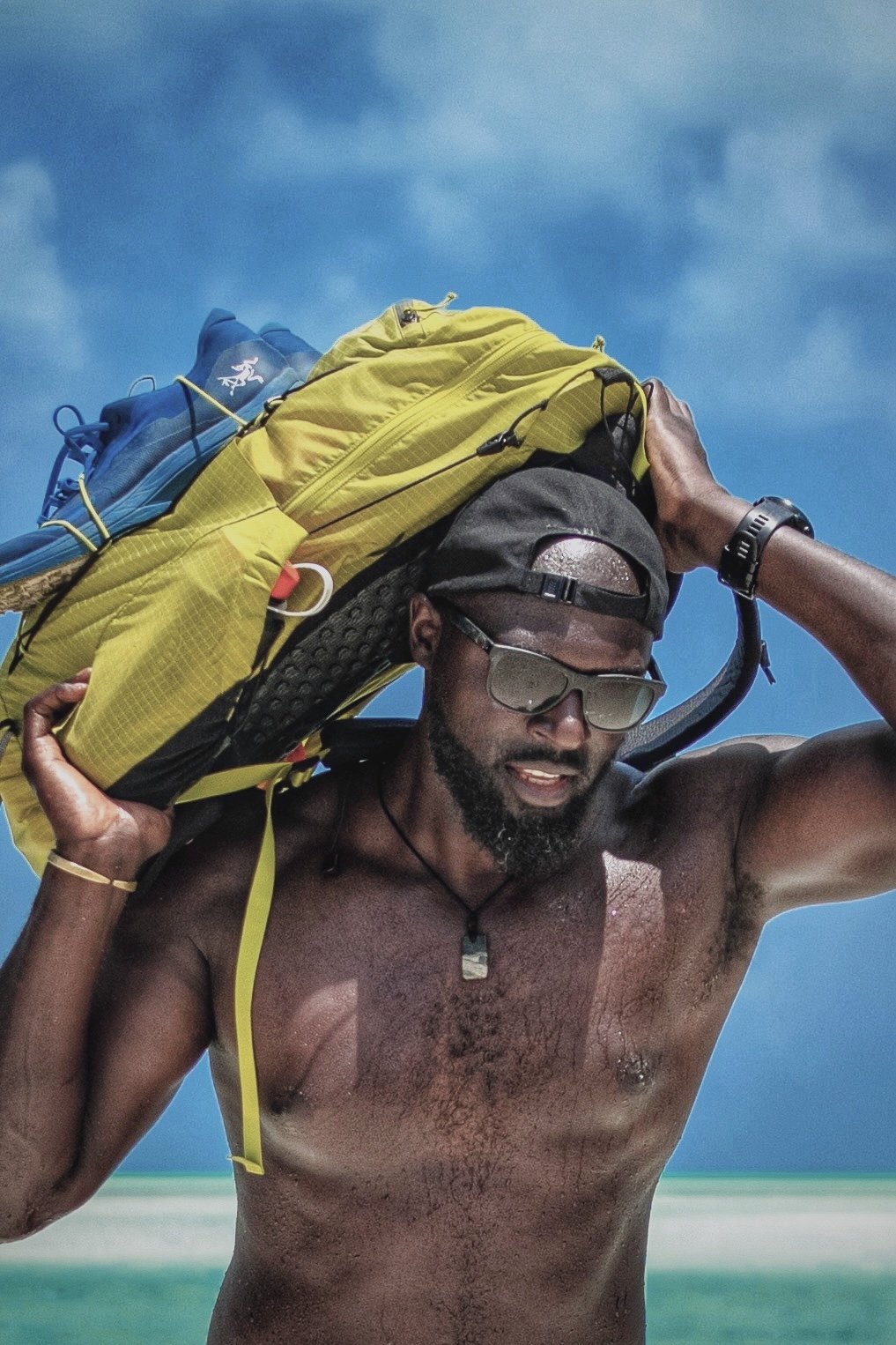
Caicos Challenge
By the Numbers: 225 km (140 miles) • 6 days • 11 islands (8 inhabited + 3 cays) • 1 country
Open-Ocean Kayaking & Island Endurance
An expedition linking islands by kayak, navigating open water, weather systems, and self-supported logistics.
The challenge required precision, respect for marine environments, and deep familiarity with risk management at sea.
Charge Across Canada
By the Numbers: 8,410 km (5,226 miles) • 40 days • 1 country
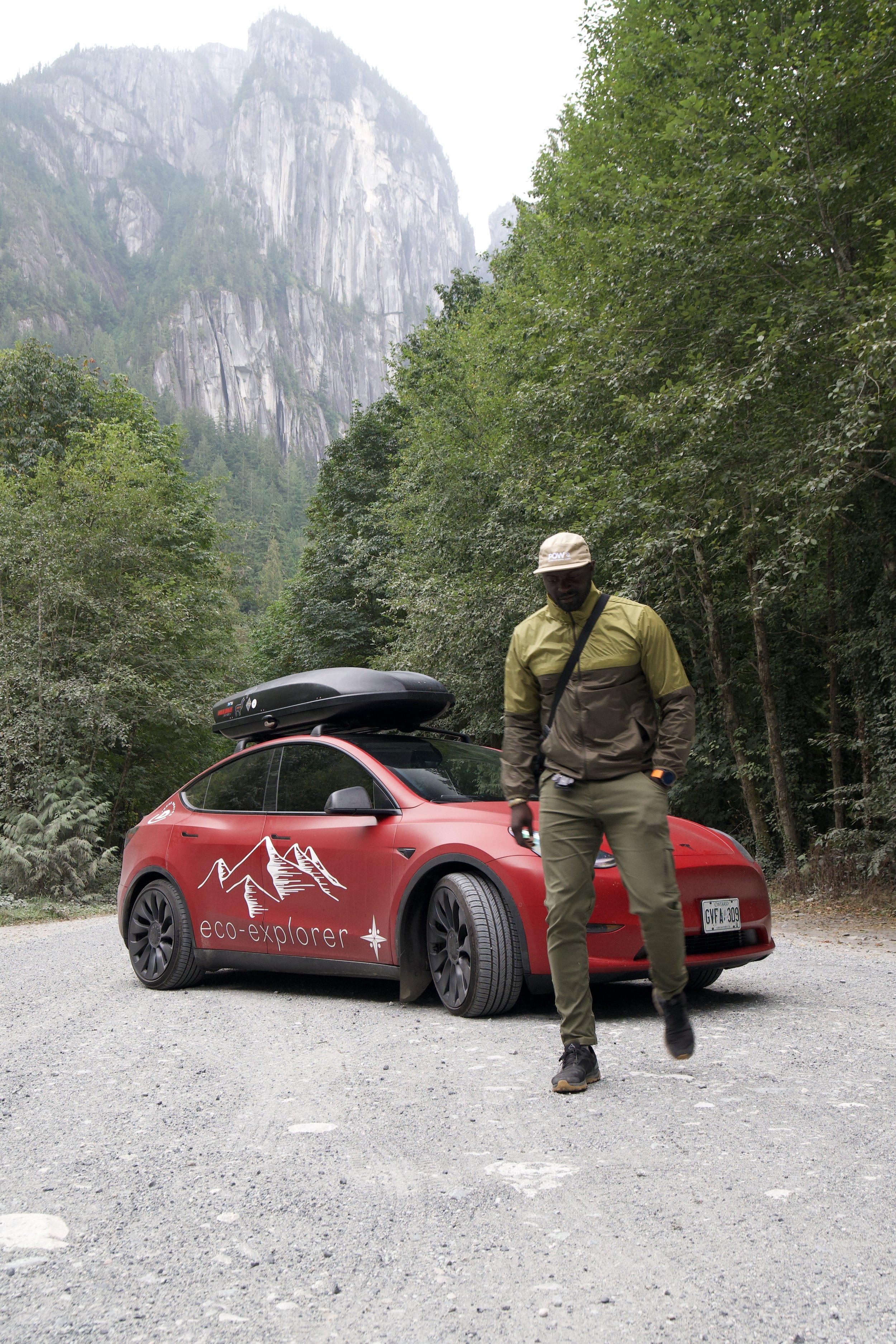
Electric Vehicle Journey Coast to Coast
A cross-country journey exploring Canada through electric mobility, infrastructure access, and sustainable transport realities.
This expedition examined how energy systems, geography, and policy intersect across vast distances highlighting both progress and limitation.
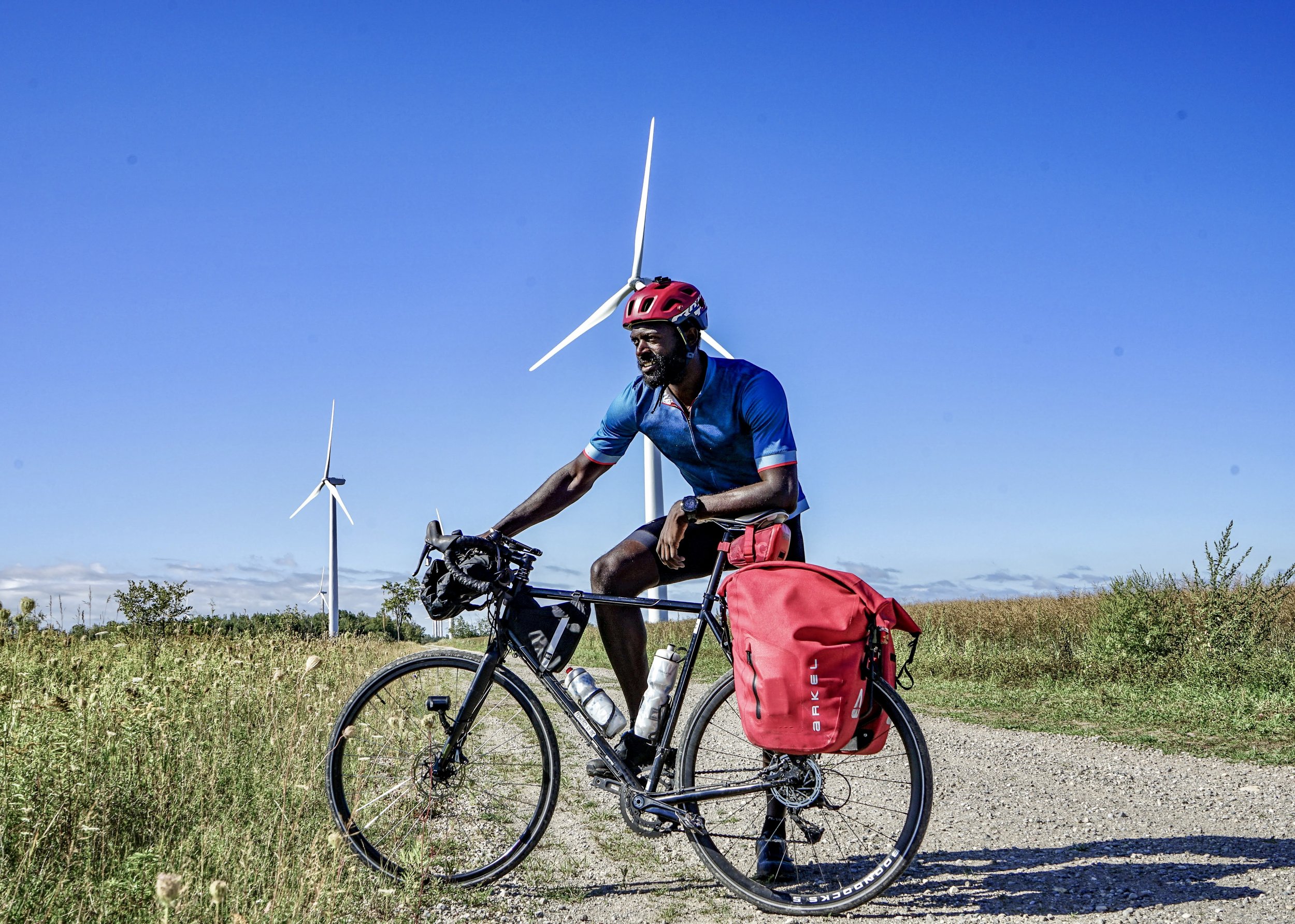
Bike Across Canada
By the Numbers: 7,300 km (4,536 miles) • 89 days • 2 countries
A Human-Powered Transit Across Provinces
long-distance cycling expedition exploring endurance, logistics, and the physical reality of scale within Canada’s landscape.
The journey reinforced the value of slow travel as a tool for understanding terrain, infrastructure, and regional identity.
Kayak Lake Ontario
By the Numbers: 550 km (300 miles) • 14 days • 1 Country
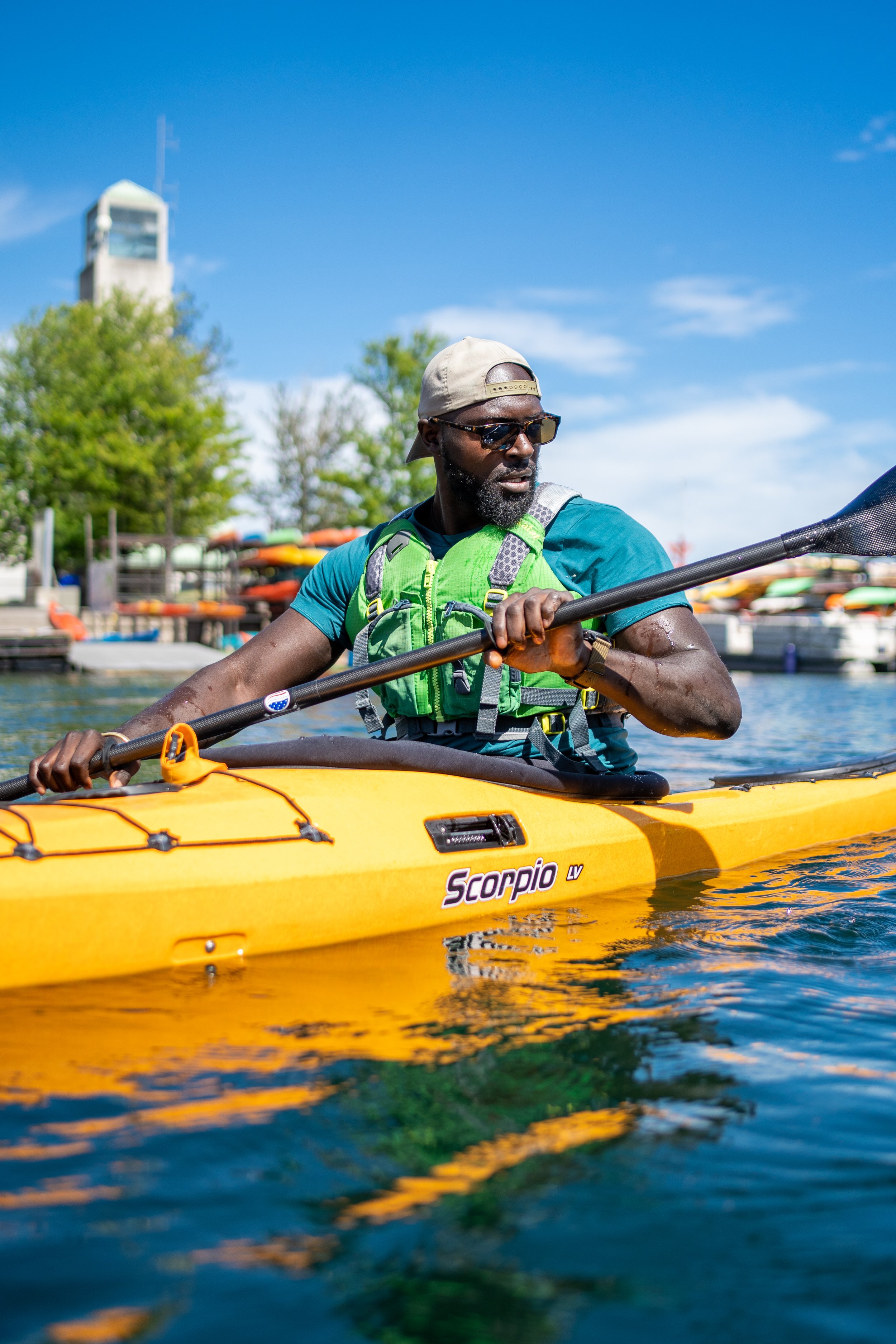
Solo Crossing by Paddle
A solo kayak crossing demanding physical resilience, navigation discipline, and risk awareness in cold, unpredictable conditions.
This expedition reinforced the importance of preparation and respect for uncontrollable variables.
IMPACT
EXPEDITIONS
-
![A boy herding camel]()
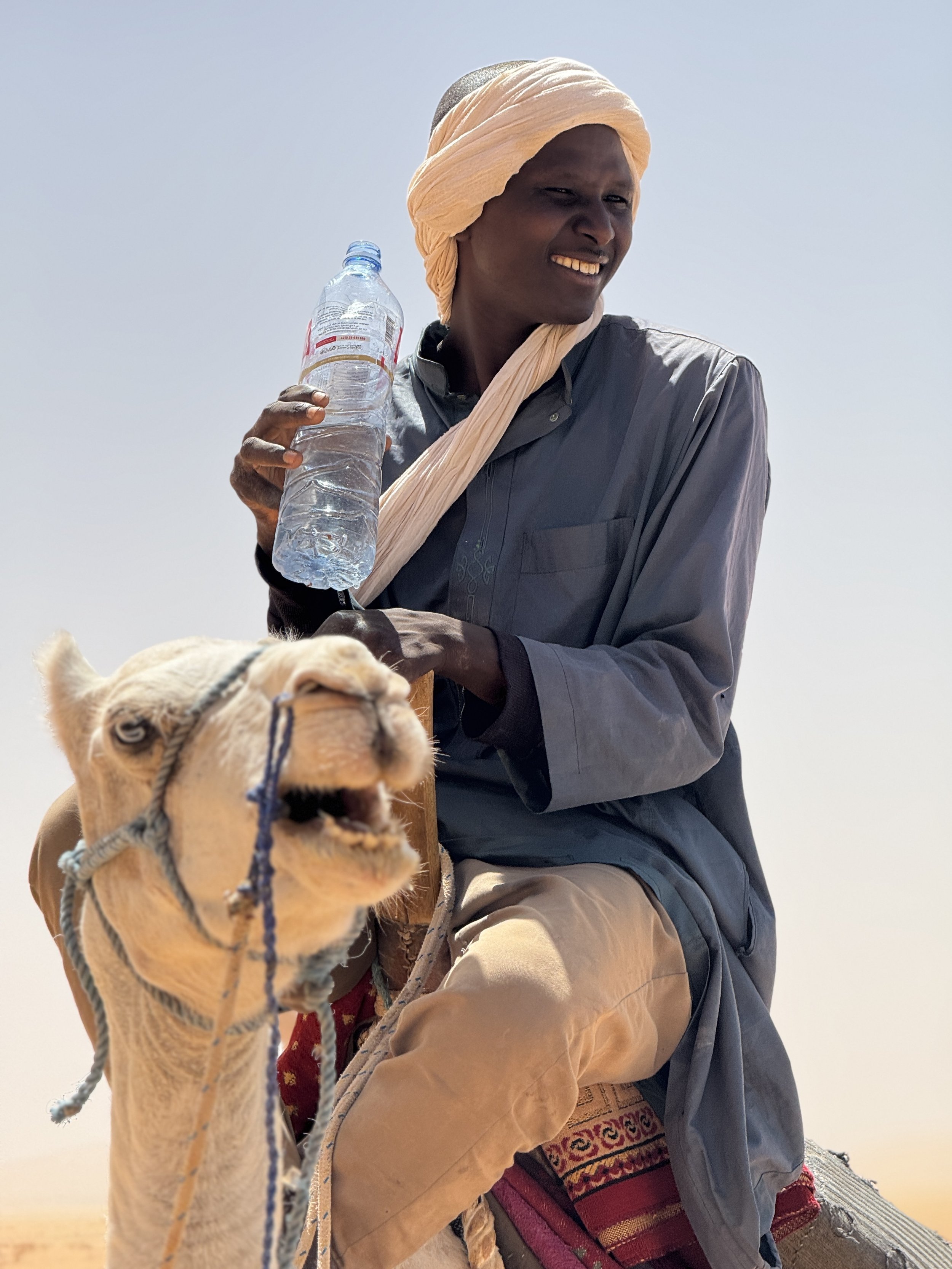
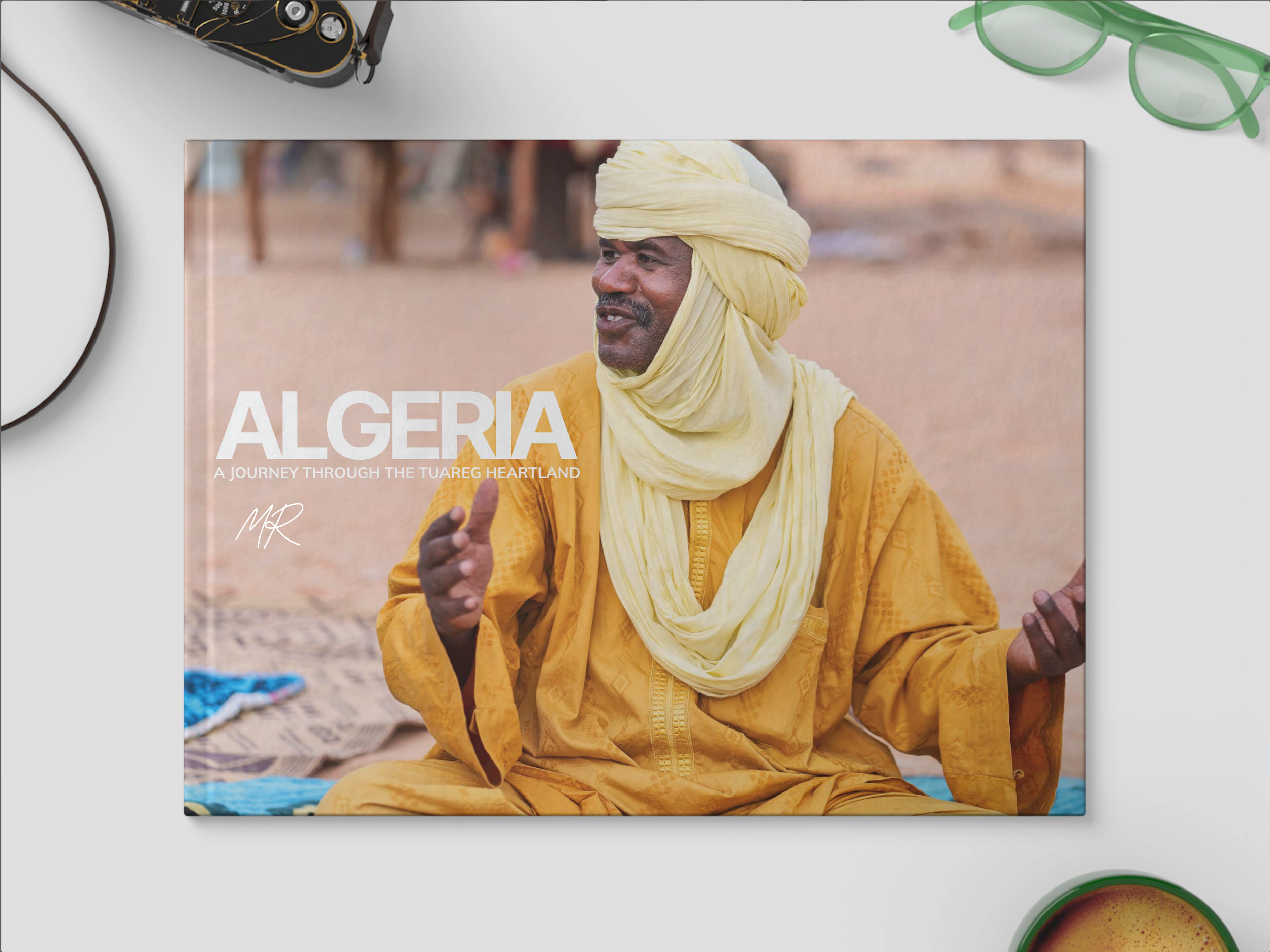
Algeria 2024
Exploration, Cultural Immersion & Movement Through the North
In 2024, I journeyed with the Tuareg across the Sahara, capturing rare moments of resilience, beauty, and tradition.Rather than an endurance test, this expedition functioned as a reconnaissance journey — building regional familiarity, relationships, and contextual knowledge that informs future work across North Africa.
-
![A man outdoors in a green, wooded area preparing a camping stove.]()
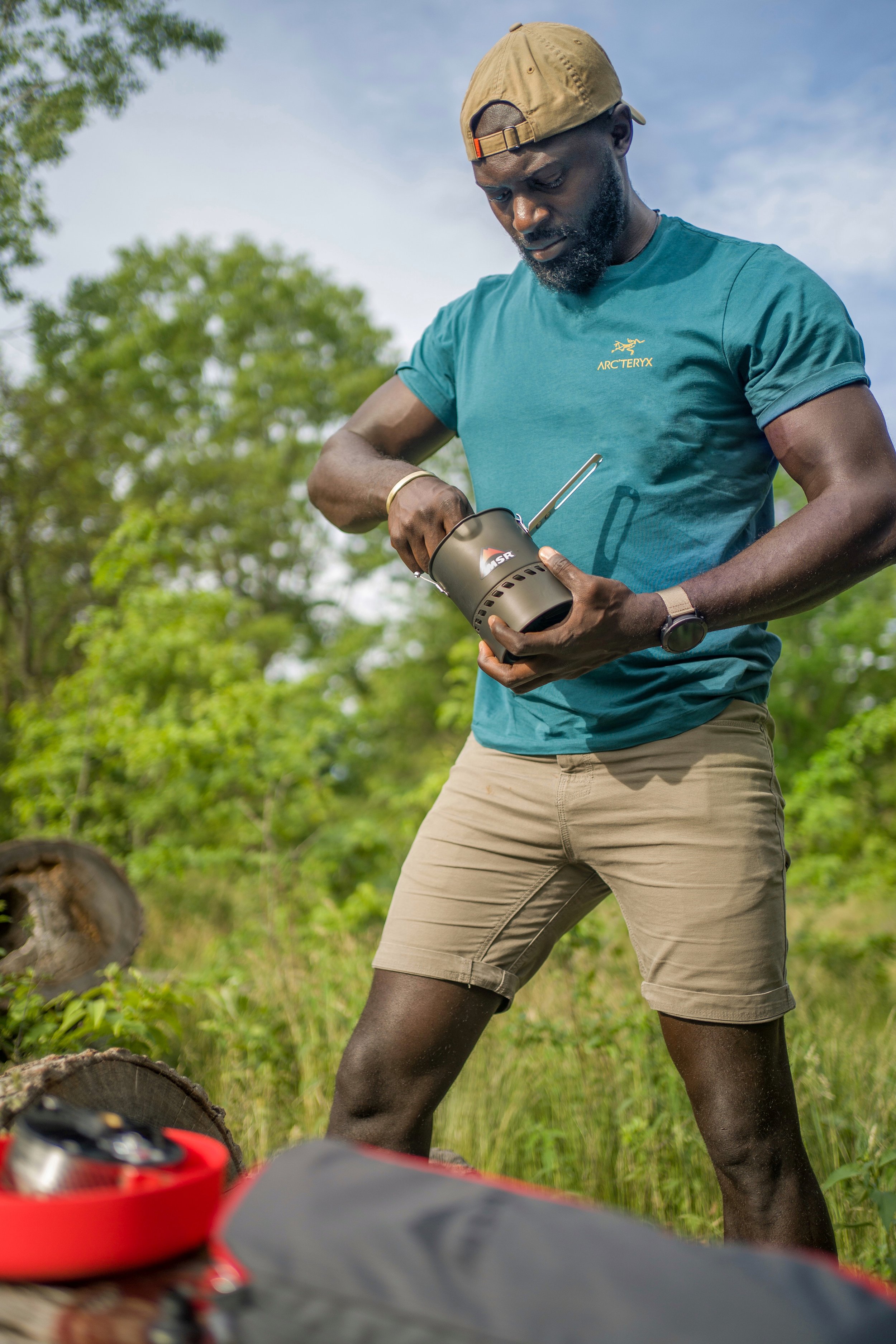
Toronto → Montreal Walk
Human-Powered Urban Distance
A self-powered journey connecting two major cities, highlighting the contrast between urban movement, infrastructure, and human endurance.
-
![Man wearing a beige cap holding the flag of Fiji at a social gathering]()
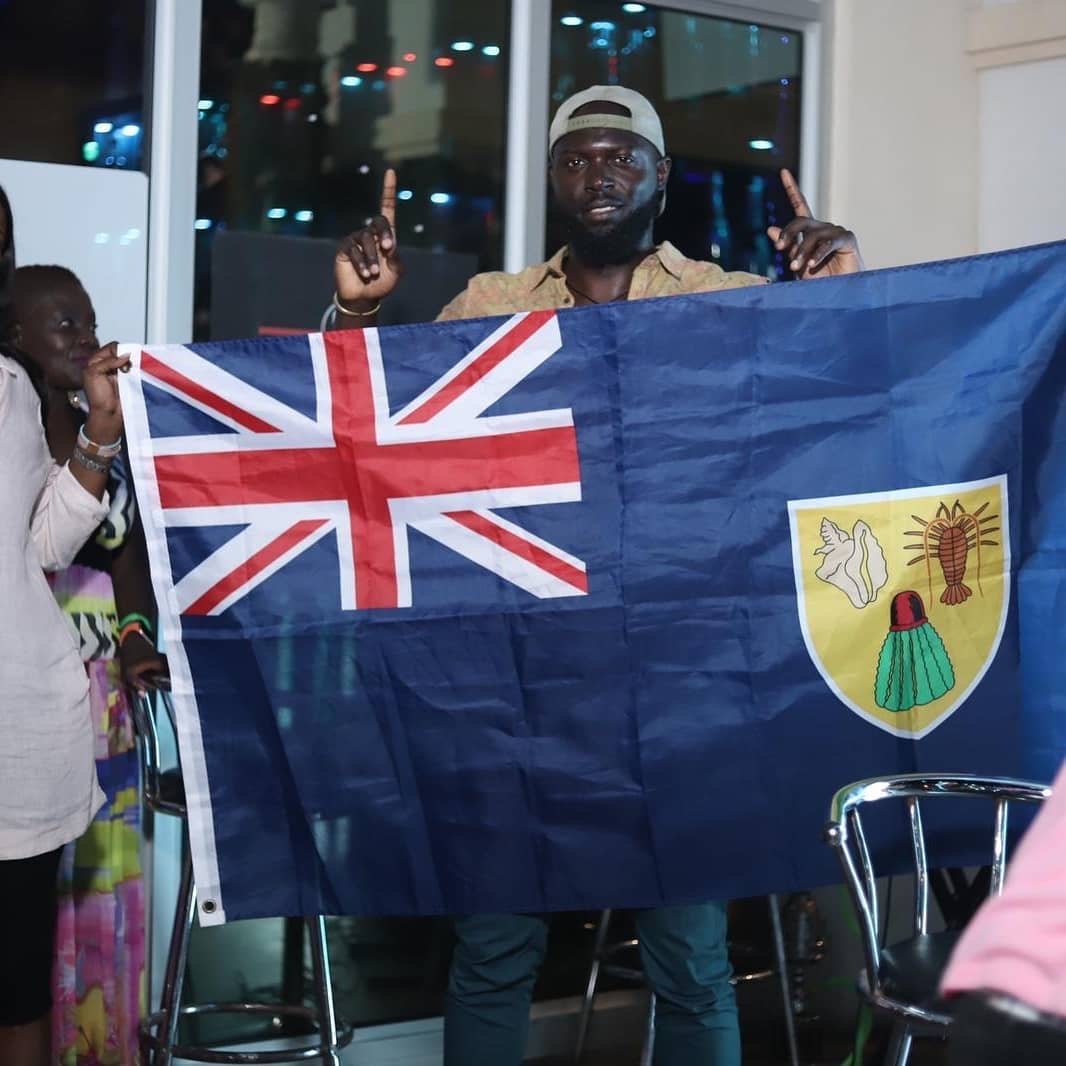
Turks & Caicos Adventures
Exploration, Paddling, and Local Immersion
A series of expeditions across the Turks & Caicos Islands focused on exploration, cultural engagement, and coastal environments.
These journeys strengthened the connection between place, pace, and presence.
DOCUMENTATION
Each expedition is documented through a combination of:
Documentary film
Photography
Written field notes
All media is created from lived experience, captured during the journey rather than reconstructed afterward.
The Turks & Caicos Challenge - Full feature film
Algeria photobook